地圖 - 熱線
15392885678
地圖 - 熱線
- 服務熱線 - 15392885678 15069779222
危險廢物貯存設施(危廢暫存間)建設指南
Guidelines for the Construction of Hazardous Waste Storage Facilities (Hazardous Waste Temporary Storage Rooms)
危廢暫存間的選址應嚴格遵守《危險廢物貯存污染控制標準》(GB18597-2023)等相關法規,確保遠離居民區、水源地、農田等敏感目標,避免對環境和人類健康造成威脅。同時,應根據危廢的種類、數量及轉運需求,合理規劃暫存間的布局,確保方便危廢的收集、暫存和轉運。設計與建設
The location of hazardous waste temporary storage rooms should strictly comply with relevant regulations such as the "Pollution Control Standards for Hazardous Waste Storage" (GB18597-2023), ensuring that they are far away from sensitive targets such as residential areas, water sources, and farmland, and avoiding threats to the environment and human health. At the same time, the layout of the temporary storage room should be reasonably planned based on the types, quantities, and transportation needs of hazardous waste to ensure convenient collection, temporary storage, and transportation of hazardous waste. Design and Construction
危廢暫存間應采用堅固耐用、防腐蝕、防滲漏的材料建造,如鋼筋混凝土結構或鋼結構加防腐涂層。墻體、地面及頂部均需采取防滲措施,以防止危廢中的有害物質滲透至地下或空氣中。地面應進行硬化處理并涂覆至少2mm高的環氧樹脂,防止滲漏和腐蝕。此外,暫存間應設計為密閉空間,配備上鎖防盜設施,確保危廢的安全貯存。暫存間的容積應根據危廢的產生量、種類及貯存周期進行合理設計,確保能夠容納所有類型的危廢并留有適當的空間進行設備安裝和操作。同時,應設置必要的通風、照明、消防等設施,確保暫存間的安全運行。根據危險廢物的特性和貯存形式,貯存設施可分為貯存庫、貯存場、貯存池、貯存罐區和貯存點五類,每類都要滿足特定的污染控制要求。
The hazardous waste temporary storage room should be constructed using sturdy, durable, corrosion-resistant, and leak proof materials, such as reinforced concrete structures or steel structures with anti-corrosion coatings. Walls, floors, and ceilings must be equipped with anti-seepage measures to prevent harmful substances from hazardous waste from penetrating underground or into the air. The ground should be hardened and coated with at least 2mm high epoxy resin to prevent leakage and corrosion. In addition, the temporary storage room should be designed as a closed space, equipped with locking and anti-theft facilities to ensure the safe storage of hazardous waste. The volume of the temporary storage room should be designed reasonably according to the amount, type, and storage period of hazardous waste, ensuring that it can accommodate all types of hazardous waste and leave appropriate space for equipment installation and operation. At the same time, necessary ventilation, lighting, fire protection and other facilities should be installed to ensure the safe operation of the temporary storage room. According to the characteristics and storage forms of hazardous waste, storage facilities can be divided into five categories: storage warehouses, storage yards, storage pools, storage tank areas, and storage points, each of which must meet specific pollution control requirements.
貯存點貯存點應具備防風、防雨、防曬、防流失和防揚散等措施,可設置貯存設施標識,應采用隔板或者警戒線等明顯區域邊界進行隔離。貯存的危險廢物必須置于容器或者包裝物中,采取托盤等裝置,達到防滲、防漏的效果,張貼危廢標簽,配備相應的應急物資,實時最大貯存量不可超過3噸。貯存庫隔離措施:不同的貯存分區之間應采取隔離措施,如過道、隔板或隔墻,避免混存風險。液體泄漏堵截設施:如果貯存液態危廢或者可能產生滲濾液的危廢,一定要配備液體泄漏堵截設施和滲濾液收集設施。泄漏堵截設施的最小容積應選對應區域最大液態廢物容器容積和液態廢物總儲量1/10中更大的那個;滲濾液收集設施的容積要能滿足實際收集需要。氣體收集與凈化設施:對于容易產生粉塵、揮發性有機物(VOCs)、酸霧等有害氣體的危廢,貯存庫要安裝氣體收集裝置和凈化設施,排氣筒高度要符合《大氣污染物綜合排放標準》(GB16297-1996)。
Storage points should have measures to prevent wind, rain, sun, loss, and scattering. Storage facility signs can be set up, and clear area boundaries such as partitions or warning lines should be used for isolation. The stored hazardous waste must be placed in containers or packaging materials, using trays and other devices to achieve anti-seepage and leak proof effects. Hazardous waste labels should be affixed, corresponding emergency supplies should be provided, and the maximum real-time storage capacity should not exceed 3 tons. Storage isolation measures: Isolation measures should be taken between different storage zones, such as corridors, partitions, or walls, to avoid the risk of mixed storage. Liquid leakage interception facilities: If storing liquid hazardous waste or hazardous waste that may produce leachate, liquid leakage interception facilities and leachate collection facilities must be equipped. The minimum volume of leak containment facilities should be selected based on the larger of the maximum liquid waste container volume in the corresponding area and 1/10 of the total liquid waste storage capacity; The volume of the leachate collection facility should be able to meet the actual collection needs. Gas collection and purification facilities: For hazardous waste that is prone to producing harmful gases such as dust, volatile organic compounds (VOCs), acid mist, etc., gas collection devices and purification facilities should be installed in the storage warehouse, and the height of the exhaust pipe should comply with the Comprehensive Emission Standards for Air Pollutants (GB16297-1996).
貯存場具有頂棚(蓋)的半開放式貯存設施。徑流疏導系統:要設置徑流疏導系統,保證能擋住當地重現期不小于25年的暴雨,防止雨水流進貯存區或者沖淋到危廢。液體導流和收集設施:可以整體或者分區設計液體導流和收集設施,設施容積要能在最不利的情況下裝下對應貯存區域產生的滲濾液、廢水等液態物質。防滲處理:要采取措施防止危廢揚散、流失;如果危廢直接接觸地面,基礎必須做防滲處理,可以用至少1米厚的黏土層(滲透系數不大于10??cm/s),或者至少2毫米厚的高密度聚乙烯膜等人工防滲材料(滲透系數不大于10???cm/s),也可以用其他防滲性能差不多的材料。
The storage facility is a semi open storage facility with a roof (cover). Runoff diversion system: a runoff diversion system shall be set to ensure that the local rainstorm with a return period of not less than 25 years can be blocked and prevent rainwater from flowing into the storage area or washing hazardous wastes. Liquid diversion and collection facilities: Liquid diversion and collection facilities can be designed as a whole or in zones, with a capacity that can accommodate liquid substances such as leachate and wastewater generated in the corresponding storage area under the most unfavorable conditions. Anti seepage treatment: measures should be taken to prevent the dispersion and loss of hazardous waste; If hazardous waste comes into direct contact with the ground, the foundation must be treated with anti-seepage measures. This can be achieved by using a clay layer at least 1 meter thick (with a permeability coefficient not exceeding 10 cm/s), or artificial anti-seepage materials such as high-density polyethylene film at least 2 millimeters thick (with a permeability coefficient not exceeding 10 cm/s), or other materials with similar anti-seepage performance.
貯存池防滲層:防滲層要覆蓋整個池體,還要延伸到基礎,確保不會滲漏。雨水與地面徑流防護:要采取措施防止雨水、地面徑流進入,能擋住重現期不小于25年的暴雨。廢氣治理設施:要減少大氣污染物的無組織排放,有必要的話要配備廢氣治理設施。貯存罐區圍堰設置:罐體必須放在圍堰里,圍堰要能滿足防滲、防腐的性能要求。圍堰容積:圍堰的容積至少要能裝下區內最大貯存罐意外泄漏時的全部危廢量。廢液廢水處理:圍堰里收集的廢液、廢水和初期雨水要及時處理,不能直接排放。
Storage tank anti-seepage layer: The anti-seepage layer should cover the entire tank body and extend to the foundation to ensure no leakage. Rainwater and surface runoff protection: measures shall be taken to prevent rainwater and surface runoff from entering, which can block the rainstorm with a return period of not less than 25 years. Waste gas treatment facilities: To reduce the unorganized emissions of air pollutants, it is necessary to equip waste gas treatment facilities if necessary. Storage tank area cofferdam setting: The tank must be placed inside the cofferdam, which must meet the performance requirements of anti-seepage and anti-corrosion. Capacity of the cofferdam: The capacity of the cofferdam should be able to accommodate at least the entire amount of hazardous waste in case of accidental leakage from the largest storage tank in the area. Waste liquid and wastewater treatment: The waste liquid, wastewater, and initial rainwater collected in the cofferdam should be treated in a timely manner and cannot be directly discharged.
環境保護與安全措施
Environmental protection and safety measures
防滲漏措施:地面應進行硬化處理并涂覆高密度環氧樹脂,防止滲漏和腐蝕。化學性質不相容的危廢應分隔堆放,并設置完整的不滲透墻體作為間隔。
Anti leakage measures: The ground should be hardened and coated with high-density epoxy resin to prevent leakage and corrosion. Hazardous wastes with incompatible chemical properties should be separated and stacked, and complete impermeable walls should be set up as intervals.
泄漏液體收集裝置:暫存間內應設置防泄漏收集導流溝渠,導流溝連接至收集池內。收集池容積不低于最大容器的最大量或儲量的五分之一。
Leakage liquid collection device: An anti leakage collection diversion ditch should be set up in the temporary storage room, and the diversion ditch should be connected to the collection pool. The volume of the collection pool shall not be less than one-fifth of the maximum capacity or storage capacity of the largest container.
氣體凈化裝置:對于可能產生有害氣體的危廢,應安裝氣體凈化裝置,確保廢氣排放符合《大氣污染物綜合排放標準》(GB16297)和《揮發性有機物無組織排放控制標準》(GB 37822)的要求。
Gas purification device: For hazardous waste that may generate harmful gases, a gas purification device should be installed to ensure that the exhaust emissions comply with the requirements of the Comprehensive Emission Standard of Air Pollutants (GB16297) and the Unorganized Emission Control Standard of Volatile Organic Compounds (GB 37822).
監控系統:危險廢物倉庫內及出入口處需設置監控系統,確保暫存間的安全。
Monitoring system: A monitoring system should be installed inside the hazardous waste warehouse and at the entrance and exit to ensure the safety of the temporary storage room.
安全照明與防爆設施:倉庫內應設置安全照明設施,燈具、線路設施需滿足防爆要求。
Safety lighting and explosion-proof facilities: Safety lighting facilities should be installed in the warehouse, and lighting fixtures and wiring facilities should meet explosion-proof requirements.
應急物資:倉庫內應配備與環境事故風險相對應的應急物資,如滅火器、吸附材料等。
Emergency supplies: The warehouse should be equipped with emergency supplies corresponding to environmental accident risks, such as fire extinguishers, absorbent materials, etc.
標識與標牌:按照規范要求張貼或懸掛危廢二維碼標簽,設置明顯的標識和標牌,標明危廢的種類、危害和注意事項等信息,提醒人們注意安全。
Identification and signage: Post or hang hazardous waste QR code labels in accordance with regulatory requirements, set up clear identification and signage, indicate the types, hazards, and precautions of hazardous waste, and remind people to pay attention to safety.
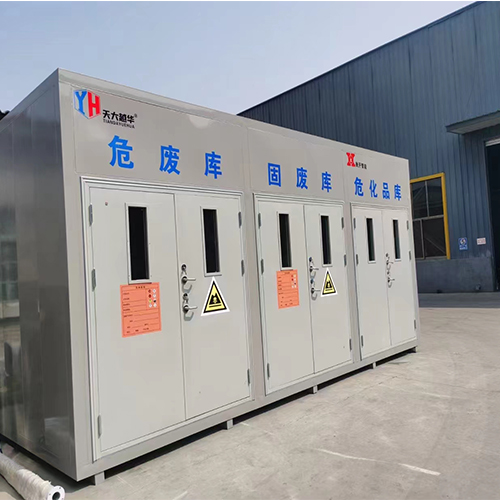
本文由 危廢暫存間 友情奉獻.更多有關的知識請點擊 http://m.szsstt.com/ 真誠的態度.為您提供為全面的服務.更多有關的知識我們將會陸續向大家奉獻.敬請期待.
This article is a friendly contribution from the hazardous waste storage room For more related knowledge, please click http://m.szsstt.com/ Sincere attitude To provide you with comprehensive services We will gradually contribute more relevant knowledge to everyone Coming soon.
地址

服務熱線

郵箱


截屏,微信識別二維碼